
Primary collagen benefits include enhanced skin elasticity and hydration along with improved joint function and bone strength. Regular intake of these supplements supports the body's connective tissues; it also helps maintain muscle structure and overall physical wellness as natural protein levels decline.
As the years pass, you might notice your skin losing its youthful bounce or your joints feeling increasingly stiff during your morning routine. These changes often stem from a natural decline in collagen production, which is the essential protein responsible for maintaining structural integrity throughout the body. Without sufficient levels, your internal foundation weakens; this leads to visible fine lines and a noticeable decrease in physical mobility. At Thelmas Health, we believe that understanding the science behind supplementation is the first step toward reclaiming your daily vitality. In this comprehensive guide, we will explore the specific ways collagen enhances skin hydration and joint resilience. You will also learn to distinguish between various types and delivery methods to ensure you select a high quality product that maximizes absorption and supports your long term wellness goals.
Understanding Collagen: The Glue That Holds Your Body Together
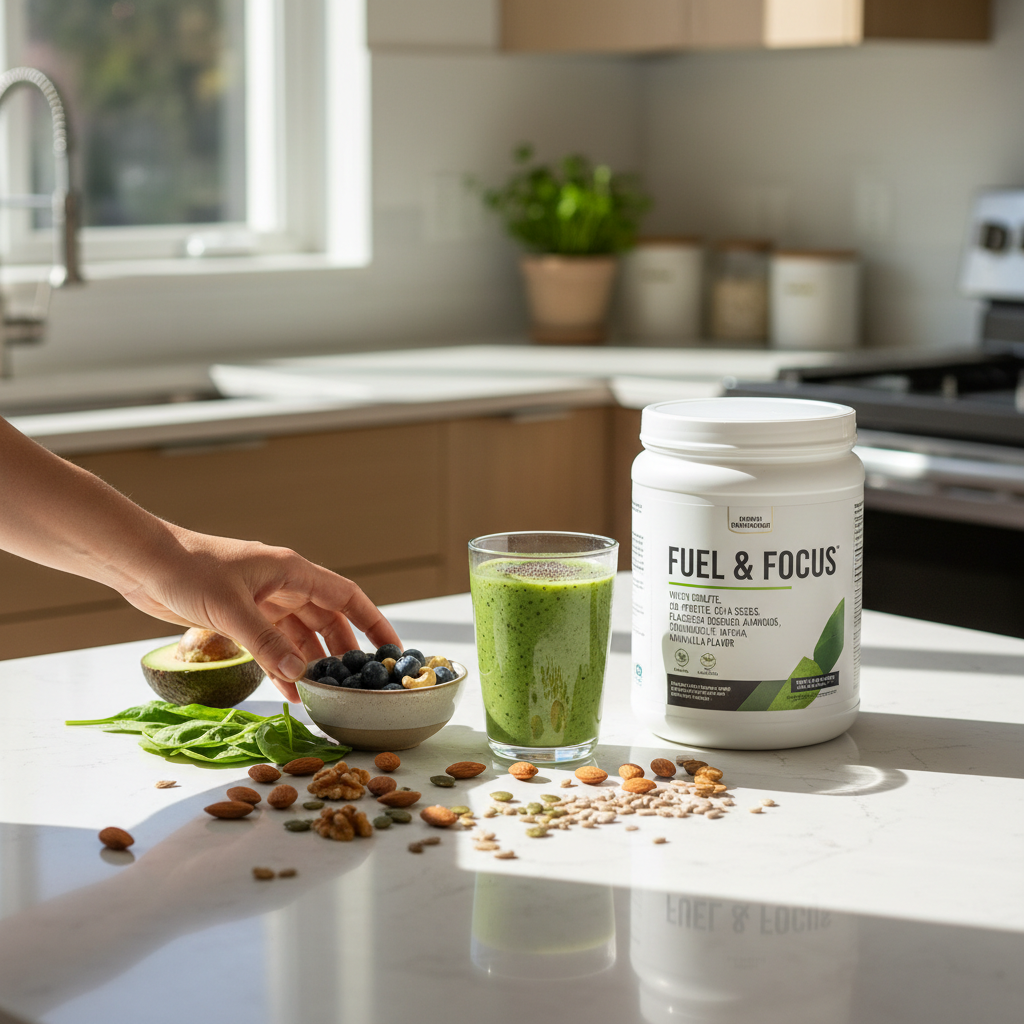
Collagen serves as the fundamental building block of the human body. As the most abundant protein, it accounts for approximately 30 percent of your total protein content. It functions as a structural scaffold, providing essential strength and shape to your skin, bones, tendons, and ligaments. This protein allows tissues to stretch and snap back, acting literally as the glue that keeps your physical structure intact.
At a molecular level, collagen is built from a specific combination of amino acids. While the body utilizes many different nutrients, the creation of collagen relies primarily on proline, glycine, and hydroxyproline. These three amino acids form the tightly wound fibers that give connective tissues their durability.
While the body naturally produces this protein, the rate of synthesis begins to decline as early as your mid-20s. This gradual reduction can lead to changes in skin texture and joint comfort over time. For Nephi residents prioritizing nutritional wellness, supplementation serves as a proactive strategy to support these vital structures. By seeking knowledgeable guidance and incorporating quality nutrition products into a daily routine, you can provide your body with the necessary components to sustain its internal architecture. Understanding these collagen benefits is the first step toward maintaining resilience and mobility throughout every stage of life.
Collagen Benefits for Skin: Hydration and Elasticity
Maintaining skin health goes beyond topical creams. While serums treat the surface, the structural integrity of your skin depends on the dermis, which is roughly 75 percent collagen. As natural levels decline, the most noticeable changes occur in skin hydration and elasticity. Research indicates that oral intake of hydrolyzed collagen peptides can successfully reach the skin tissues. Once there, these peptides act as biological signals, stimulating the body's own fibroblasts to increase the production of both new collagen fibers and hyaluronic acid, a molecule capable of holding 1,000 times its weight in water.
For those seeking glowing skin, consistency with quality nutrition products is essential. Choosing a bioavailable form ensures the body can actually utilize the amino acids provided. You may wonder how to track progress, especially since changes occur gradually at a cellular level.
There are 5 key signs that collagen is working: - Improved moisture: Skin feels less parched and retains topical products more effectively. - Smoother texture: A noticeable reduction in rough patches or surface unevenness. - Stronger nails: Decreased brittleness and fewer ridges or breaks. - Faster hair growth: Increased thickness or speed of growth observed over several months. - Reduced appearance of fine lines: The skin appears more plump, making small wrinkles around the eyes or mouth less prominent.
By providing these building blocks through knowledgeable guidance, individuals can support a more resilient skin barrier from the inside out. This internal support complements the broader nutritional wellness goals of our Nephi community, providing a foundation for long term dermatological health without relying solely on external treatments.
Supporting Mobility: How Collagen Protects Your Joints and Cartilage
Internal support through collagen extends beyond the dermis to the very structures that allow us to move freely. While Type I and III are vital for skin, Type II collagen is the primary component of articular cartilage, the smooth tissue that cushions the ends of bones where they meet in a joint. For those in Nephi seeking the best collagen for knee cartilage repair, understanding Type II is essential. This specific protein acts as a chondroprotective agent; it helps maintain the integrity and thickness of the cartilage that naturally wears down with age and physical stress.
Daily activities in Juab County, such as navigating the steep trails of Mt. Nebo or managing the physical demands of local farm and garden work, place significant load on the knees, hips, and spine. When cartilage thins, friction increases, leading many to search for collagen for arthritis pain relief. By supplying the body with Type II peptides, you provide the building blocks necessary to support this protective cushion. Research suggests these peptides may also help modulate the immune response within the joint, potentially reducing inflammation and discomfort.
Maintaining this structural support is a vital component of nutritional wellness. Incorporating these collagen benefits into your routine by choosing quality nutrition products ensures that your body has the resources to repair micro-wear before it leads to chronic stiffness. By receiving knowledgeable guidance on which formulations prioritize joint integrity, you can stay active and mobile, ensuring your body remains resilient enough for both the workday and the weekend.
The Three Main Types of Collagen You Need to Know
While over 28 types of collagen exist in the human body, the vast majority of your structural needs are met by three specific variations. Understanding these differences allows for more targeted nutritional wellness. Type I is the most abundant, representing approximately 90 percent of the body’s total collagen. It consists of densely packed fibers that provide the primary structure for your skin, hair, bones, and tendons.
Type II consists of more loosely packed fibers found primarily in elastic cartilage. As discussed regarding joint health, this type is the critical component for cushioning vertebrae and joints. Type III often works alongside Type I, supporting the structure of muscles, internal organs, and large arteries. It is particularly important for the integrity of the cardiovascular system and the development of fibers in the liver and lungs.
Many quality nutrition products found at Thelmas Health utilize a multi-collagen blend to offer broad spectrum support. However, your individual health objectives should dictate your selection. If your focus is recovery from heavy labor or hiking, a Type II intensive formula may be ideal. For those prioritizing skin resilience or bone density, a Type I and III blend is often most effective. Our team provides knowledgeable guidance to help you match these molecular profiles to your specific metabolic needs.
Peptides, Powders, or Liquids: Which Form Is Best?

Selecting the best form of collagen depends on your lifestyle and how your body processes protein. Most high-quality supplements use hydrolyzed collagen peptides. The term hydrolyzed means the long protein chains have been enzymatically broken down into smaller, shorter pieces. This is essential because the gut cannot easily absorb whole collagen molecules; peptides are small enough to pass through the intestinal wall and into the bloodstream, ensuring you actually experience the intended collagen benefits.
Form | Source | Best For | Considerations |
|---|---|---|---|
Hydrolyzed Powder | Bovine or Marine | Versatility in drinks and food | Most cost-effective; usually flavorless |
Liquid Collagen | Marine or Bovine | On-the-go convenience | Pre-dissolved; check for preservatives |
Marine Peptides | Wild-caught fish | Skin and hair health | Smaller particle size; Type I dominant |
Bovine Peptides | Grass-fed cattle | Joint and muscle support | Rich in Types I and III |
Bovine sources are excellent for broad structural support, while marine sources are often favored for their rapid absorption. When choosing quality nutrition products, ingredient transparency is paramount. Always select products screened for heavy metals and free from artificial sweeteners or unnecessary fillers. A flavorless powder provides a seamless addition to your morning coffee, but a liquid shot might be more practical for a busy schedule. Our team at Thelmas Health offers knowledgeable guidance to help you choose a format that supports your nutritional wellness goals without compromising on purity.
How to Take Collagen for Maximum Absorption

To realize the full range of collagen benefits, your daily habits must support the specific biological pathways of protein synthesis. For most adults, an effective daily dosage typically ranges from 2.5 grams to 15 grams, depending on whether the primary goal is skin hydration or joint structural support. While many residents ask about the best time to take collagen, morning or night, the physiological truth is that consistency outweighs the clock. Taking your supplement in the morning may be easier to remember as part of a routine, but the potential benefits of taking collagen at night are linked to the body's natural tissue repair cycle that occurs during deep sleep.
The most critical factor for maximum absorption is the presence of specific cofactors. Your body cannot effectively synthesize or stabilize collagen fibers without adequate Vitamin C, zinc, and copper. These nutrients act as essential keys that unlock the body's ability to turn peptides into functional tissue. To maximize your investment in quality nutrition products, ensure you are meeting these micronutrient needs.
At Thelmas Health, we often suggest pairing your collagen with Vitamin C rich whole foods like citrus fruits, strawberries, or bell peppers. This synergistic approach ensures that the peptides you ingest are actually utilized for structural repair rather than just being burned for energy. By integrating these nutritional wellness strategies and seeking knowledgeable guidance on your specific mineral levels, you create an internal environment where supplementation can truly thrive.
Choosing Quality Collagen at Thelmas Health

Selecting the right supplement requires a discerning eye for sourcing and manufacturing standards. At Thelmas Health, we prioritize quality nutrition products that undergo rigorous third party testing to ensure they are free from heavy metals and contaminants. For maximum efficacy, look for labels specifically identifying "collagen peptides" rather than generic "collagen." Peptides are the hydrolyzed form, meaning they are already broken down for superior bioavailability and easier digestion.
Purity starts at the source. We stock options that are grass-fed, pasture-raised, or wild-caught to ensure the highest nutrient density without the presence of unwanted hormones or antibiotics. This level of ingredient transparency is vital for achieving the full range of collagen benefits and maintaining long term health.
Navigating the myriad of powders and liquids on the market can be daunting. Our team in Nephi provides knowledgeable guidance to help you filter through these choices based on your unique lifestyle. We can identify options that align with specific dietary protocols, such as keto or paleo-friendly versions that contain zero added sugars or artificial fillers. By visiting us in person, you receive a personalized approach to nutritional wellness, ensuring the supplement you take home is the one your body can actually use for structural repair.